
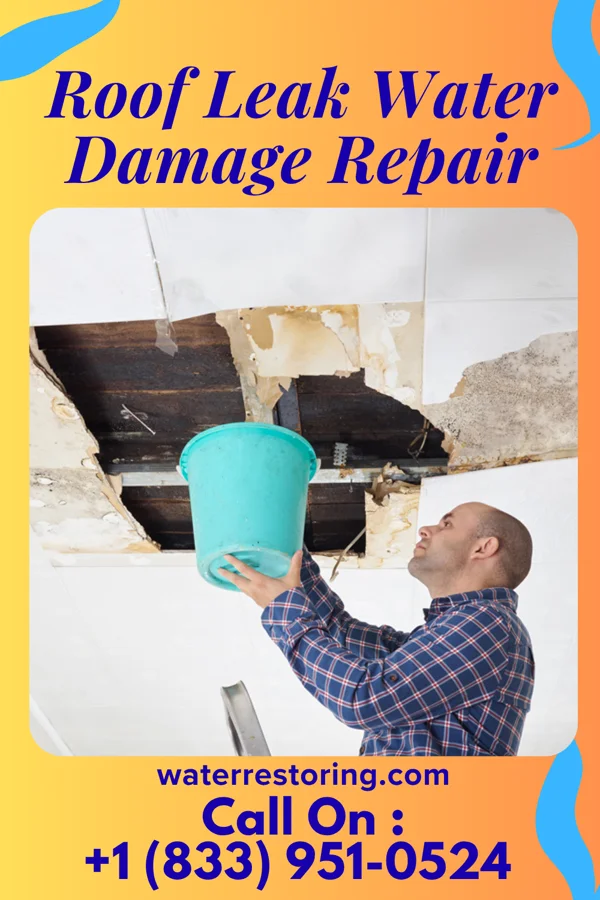
Mount Vernon Roof Leak Damage: What Owners Should Know
Residential or commercial, water damage emergencies in Mount Vernon keep coming back to the same drivers. Mount Vernon experiences frequent afternoon thunderstorms during the summer months, often bringing heavy rainfall that can overwhelm roofing systems. These storms are common between May and September, leading to potential roof leaks and water damage. The region's humid climate also contributes to rapid moisture buildup, increasing the risk of water infiltration. sits at the top of the list. A close second is In the winter, Mount Vernon can see occasional freezing temperatures that may cause ice dams on roofs, especially on older or improperly insulated homes. This can lead to water backing up under shingles and seeping into the home. Springtime showers, while less intense, can still cause issues on roofs with existing damage..
The combination of frequent rainfall, high humidity, and occasional freezing temperatures in Mount Vernon creates a challenging environment for roof integrity. Homes in this area are particularly vulnerable to water damage from both sudden storms and long-term moisture exposure.
Water damage in Mount Vernon follows a few local patterns. Mount Vernon experiences frequent afternoon thunderstorms during the summer months, often bringing heavy rainfall that can overwhelm roofing systems. These storms are common between May and September, leading to potential roof leaks and water damage. The region's humid climate also contributes to rapid moisture buildup, increasing the risk of water infiltration. accounts for the bulk of our calls. The combination of frequent rainfall, high humidity, and occasional freezing temperatures in Mount Vernon creates a challenging environment for roof integrity. Homes in this area are particularly vulnerable to water damage from both sudden storms and long-term moisture exposure. Mold can begin to grow within 48 hours of water intrusion in Mount Vernon due to the high humidity levels. This poses a significant risk to indoor air quality and can lead to costly secondary damage, such as warped wood and damaged insulation.
For public guidance on the health effects of mold after prolonged water exposure, see the EPA mold and health page.